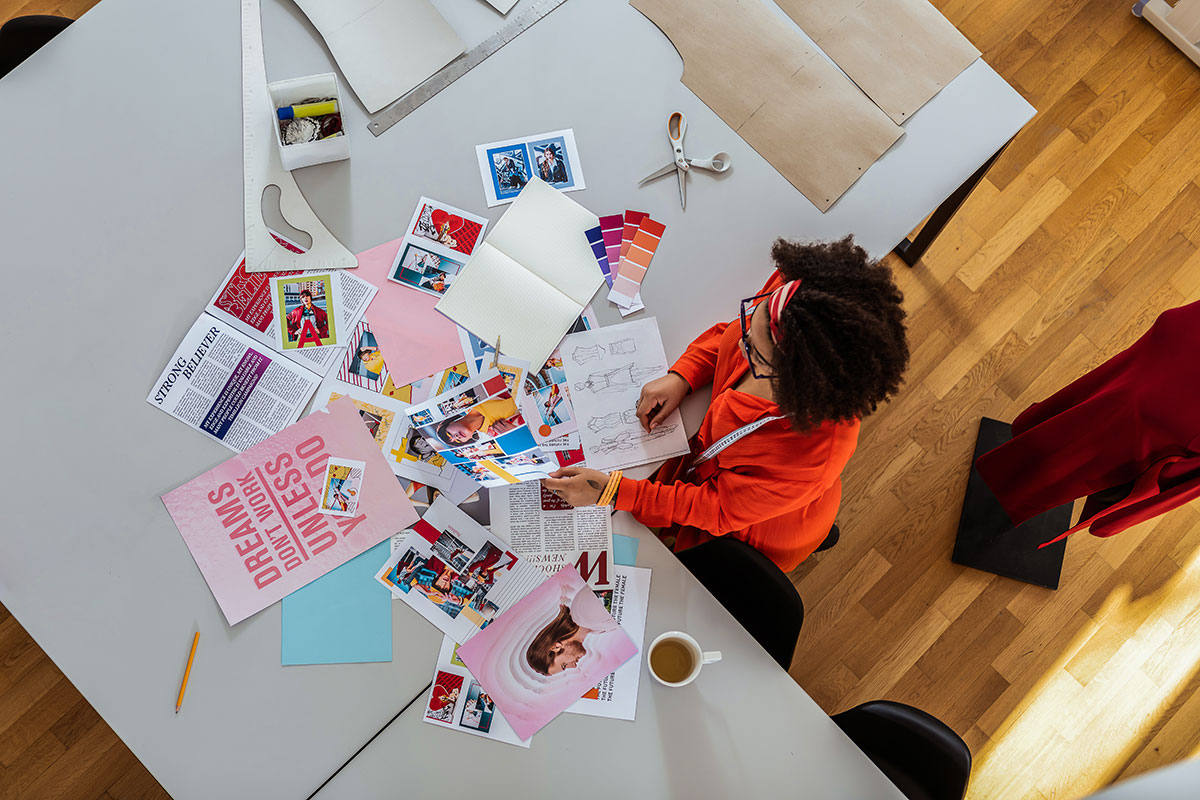
Creativity has always been an important part of how I approach business and marketing. When people hear the word creativity, they often think about art, design, writing, or coming up with something completely new. While those are certainly creative activities, I believe creativity is much broader. In business, creativity is about finding better ways to solve problems, communicate ideas, connect with people, and build something that stands out.
Marketing is especially dependent on creativity because people are constantly surrounded by messages from businesses. A company can have a great product or service, but if it communicates in the same way as everyone else, it can be difficult to get noticed. Creativity gives businesses an opportunity to show people what makes them different.
Creativity Helps Businesses Stand Out
One of the biggest advantages creativity brings to marketing is the ability to stand out in a crowded marketplace. Every day, consumers see advertisements, social media posts, emails, websites, videos, and other forms of marketing. With so much information competing for their attention, businesses need to find ways to make their message memorable.
Creativity does not always mean doing something complicated or unusual. Sometimes a simple idea presented in a fresh way can have a stronger impact than an expensive campaign. It can be a different story, a unique visual, a thoughtful message, or a new way of explaining a product.
I have found that understanding the audience is just as important as having a creative idea. The goal is not to be creative simply for the sake of being creative. The goal is to create something that connects with the people you are trying to reach.
Creative Thinking Can Solve Business Problems
Creativity is also useful far beyond advertising and marketing campaigns. It can help business owners and professionals look at challenges from different perspectives.
Every business experiences problems. A strategy may not produce the expected results. A customer may have a concern. A process may be taking too much time. A business may need to reach a new audience. Instead of immediately accepting that something cannot be changed, creative thinking encourages us to ask different questions.
What if there is another way? What has not been tried yet? What can we learn from the situation?
Those questions can lead to solutions that might not have been obvious at first. Creativity allows us to step away from familiar patterns and consider possibilities that may have been overlooked.
Creativity and Personal Branding
Personal branding is another area where creativity can make a meaningful difference. Today, people often research a business owner, professional, or company online before deciding whether they want to work with them. The way we present ourselves can influence how others understand our experience, personality, and values.
A strong personal brand should feel authentic. Creativity can help bring that authenticity to life.
For me, this means thinking about what makes an individual unique and finding ways to communicate those qualities clearly. Everyone has experiences, interests, skills, and perspectives that can contribute to their story. The challenge is turning those pieces into a message that feels genuine and meaningful.
Personal branding does not have to mean constantly promoting yourself. It can be as simple as sharing knowledge, telling your story, discussing lessons you have learned, or showing the values that guide your work.
Creativity Encourages Adaptability
The business world changes constantly. New technology, changing customer expectations, social media platforms, and economic conditions can all affect the way companies operate and market themselves.
Creativity helps us adapt because it encourages us to remain open to new ideas. Instead of becoming too attached to one strategy, creative thinking allows us to evaluate what is working and consider what might need to change.
I think this is particularly important in marketing. A campaign that worked several years ago may not have the same impact today. The audience may have changed, the platform may have changed, or the way people consume information may have changed.
Being creative means being willing to learn and experiment. It means paying attention to what people are responding to and being comfortable making adjustments when necessary.
Creativity and Collaboration
Some of the best ideas come from collaboration. When people with different experiences and skills work together, they can see problems from different angles. One person’s idea can inspire another person’s solution.
I believe businesses benefit when they create an environment where people feel comfortable sharing ideas. Not every idea will become a successful project, and that is okay. Creativity requires room to experiment and learn.
A workplace where people are afraid to suggest something different can quickly become stagnant. On the other hand, a workplace that encourages curiosity and thoughtful discussion can create opportunities for innovation.
Making Creativity Part of Business
Creativity does not have to be limited to a marketing department or a scheduled brainstorming session. It can become part of the way a business approaches everyday decisions.
It can influence how a company communicates with customers, designs its services, organizes its processes, develops its brand, and responds to challenges. The more we practice creative thinking, the easier it becomes to recognize opportunities for improvement.
For me, creativity is ultimately about staying curious. It is about being willing to look at something familiar and ask whether there might be a better way to approach it.
Business success requires planning, organization, knowledge, and persistence. Creativity adds another important piece to that foundation. It helps businesses communicate more effectively, respond to change, solve problems, and build stronger connections with the people they serve.
In a competitive business environment, having a creative perspective can make a meaningful difference. The businesses that are willing to think differently, listen to their audiences, and continue exploring new possibilities are often the ones best positioned to grow.